
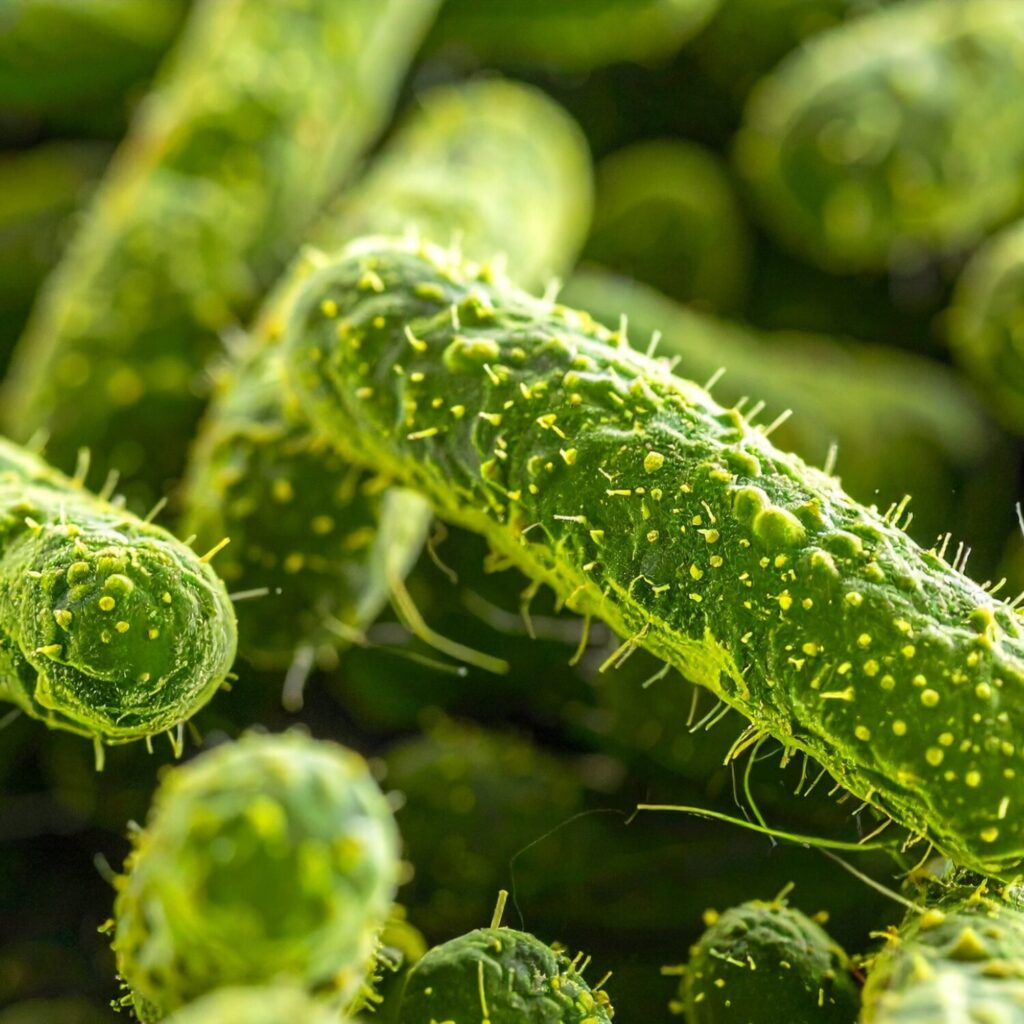
Prokaryote
- Pro means no. So, no nucleus.
- It is a single-celled microscopic organism.
- It has a DNA usually a single circular chromosome in the nucleoid.
- It is a no membrane-bound organelles, no mitochondria, endoplasmic reticulum, etc…
- It has a smaller and less complex than eukaryotic.
- Cell walls: most have a protective cell wall outside the plasma membrane.
- Ribosomes do exist but lack membrane bound ones.
- They can also have small, circular DNA plasmids.
Eukaryote Cells
- Eukaryotic are more complex
- larger cells possessing a true nucleus to house DNA and various organelles.
- Can be unicellular or multicellular
- Animals, Plants, fungi and protists are examples of eukaryote.
- Cytoskeleton exists facilitating movement and enabling cell division.
- Has multiple chromosomes
Bacteria can be often both unicellular or multicellular and unicellular organisms are:
- single-celled
- performing all life functions within that one cell
- Examples like: bacteria or amoeba
- the environment is usually microscopic and can live in extreme environments.
As for multicellular organisms they tend to be:
- Composed of two or more cells that differentiate to perform specific tasks, forming structures like tissues, organs, and organ systems.
- Animals, plants, most fungi.
- have specialized functions, enabling greater complexity and size.
Cell Division
- Eukaryotic cells go through mitosis for growth or repair.
- Mitosis has four stages: Prophase, Metaphase, Anaphase and Telophase
- Mitosis creates two identical cells.
- Eukaryotes go through meiosis for reproduction
- Meiosis has two stages: Meiosis I and II, where chromosomes are reduced by half
- Meiosis creates four haploid gametes.
The plant cells and the animal cells themselves tend to differ, for example, the animals have fewer organelles compared to the plant. The plant cells have cell walls while the animals don’t.
An easy way to remember all of these organelles are flashcards.
These flashcards help us remember organelles inside them.
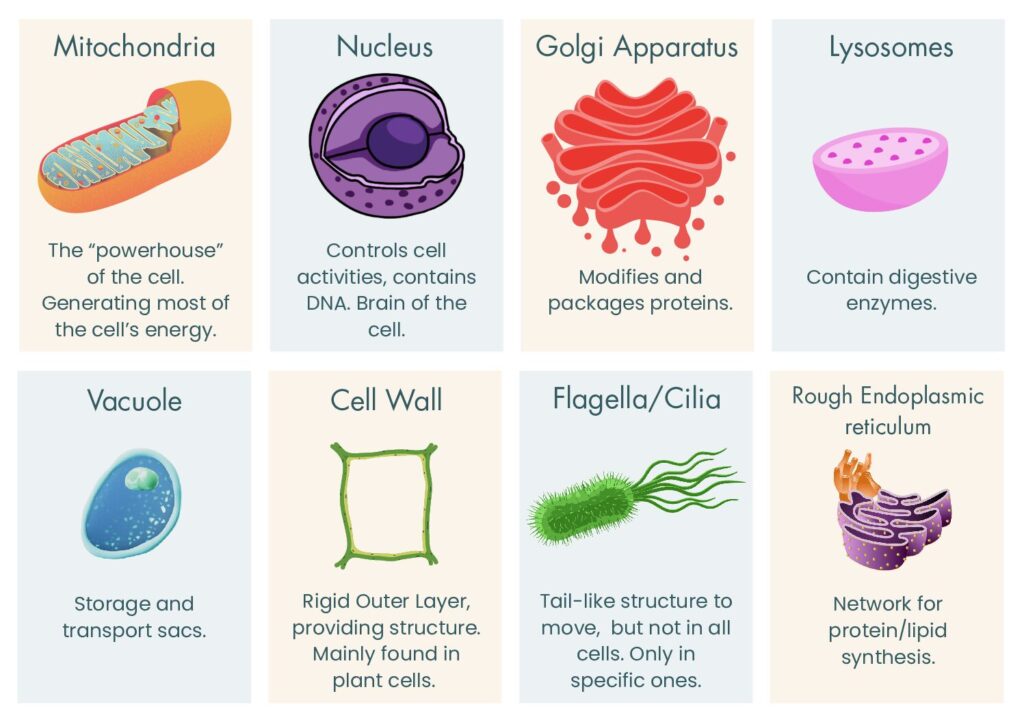
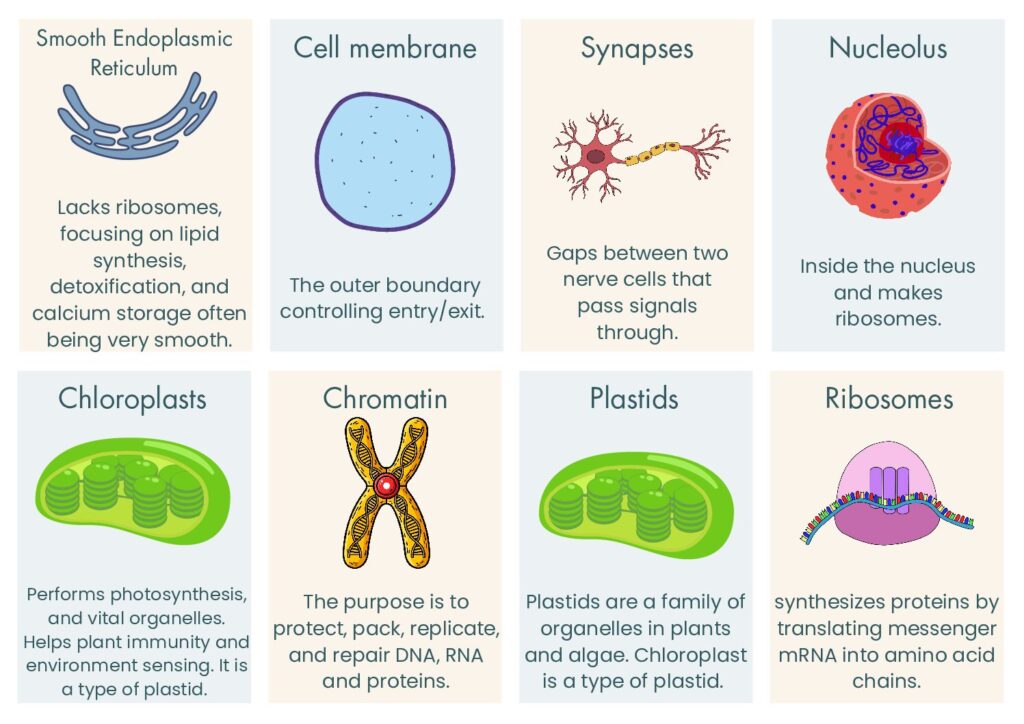
To study better, try quizzing yourself. If you don’t know how to quiz yourself read the latest article on twinsparkle to learn more about free AI tools that help students learn better: https://twinsparkle.com/free-ai-tools/ But you can always use quizlet or gimkit to study better. https://quizlet.com/